Group Members
 Cláudio M. Nunes graduated in Chemistry from the University of Coimbra in 2004 (best student), obtained his MSc degree in Organic Chemistry in 2007 and his PhD degree in Molecular Spectroscopy in 2012. Worked as a postdoctoral researcher at the Laboratory for Molecular Cryospectroscopy and Biospectroscopy from 2013 to 2018. Besides a short postdoctoral position at the Department of Chemistry of the University of Fribourg (Switzerland), he also spent several months working as a visiting researcher at the Organometallic Chemistry Institute of the University of Oviedo (Spain), the Department of Chemistry of the University of Wisconsin-Madison (USA), and the Institute of Organic Chemistry of the Justus-Liebig University Giessen (Germany). Started his independent research career in 2019 at the Coimbra Chemistry Centre as an Auxiliary Researcher funded by the Portuguese Foundation for Science and Technology. In late 2023, was appointed Assistant Professor at the Department of Chemistry of the University of Coimbra. He is also currently an Associate Editor of the Journal of Molecular Structure (Elsevier) and coordinates the Laboratory for Molecular Cryospectroscopy group (since 2024). His researcher program is focused on quantum tunneling chemistry, vibrational excitation chemistry, computational chemistry, organic mechanisms and reactive intermediates, and the development of new organic reactions and organocatalysts.
 Rui Fausto is a Professor of the Department of Chemistry of the University of Coimbra, and a Visiting Researcher of the Istanbul Kultur University (Turkey). He was born in Coimbra, and graduated in Chemistry (1984) at the University of Coimbra. He obtained the Ph.D. in Sciences (Chemistry – Molecular Spectroscopy) in 1988, and was a post-doctoral fellow at the NRC Canada, where he works in infrared, Raman and resonance Raman spectroscopies of proteins. After his return to Coimbra, he started the installation of the first (and unique until now) Portuguese cryospectroscopy laboratory, the LMC. Rui Fausto is a member of the European Academy of Arts, Sciences and Humanities (Paris), integrates the Editorial Boards of several international scientific journals (he was the Editor-in-Chief of the Journal of Molecular Structure, Elsevier, Amsterdam, until December 2023), and is the President of the European Congress on Molecular Spectroscopy (EUCMOS) Steering Committee. Along his career he has occupied many different positions in the administration and scientific management in the University of Coimbra, including the presidency of the Academic Council and the vice-presidency of the Scientific and Directive boards of the Science and Technology Faculty and the presidency of the Institute for Interdisciplinary Research of the University of Coimbra. In 2004 and 2005, he was one of 12 Portuguese chemists awarded with the Excellence Prize of the Portuguese Science Foundation / Portuguese Ministry of Science. He is author or editor of >40 scientific books and author of more than 500 scientific papers and book chapters (h-index: 57). He has supervised a large number of students and was involved in over 50 competitive research projects, which correspond to a total funding of several millions of euros. His scientific interests are broad, including theoretical and computational chemistry, chemometrics, molecular spectroscopy and photochemistry.
 António Jorge was born in Coimbra in 1972. He graduated in Industrial Chemistry in 1996 at the University of Coimbra. After graduation, he started his research activity in the Department of Chemistry of the University of Coimbra, having completed a master's degree in 2001 and a PhD in 2006, in the specialty area of Physical Chemistry. During this period, he was awarded research, MSc and PhD grants, by the Portuguese Foundation for Science and Technology. Since 2006, he is an assistant Professor at the Faculty of Pharmacy of the University of Coimbra. His main research activities have been focused on the study of photoinduced transformations, and in particular IR-induced conformational changes, of relevant biological molecules, combining matrix isolation FTIR spectroscopy and quantum chemical calculations. He has also been dedicated to the study of intra and intermolecular hydrogen bonding in systems of pharmaceutical interest.
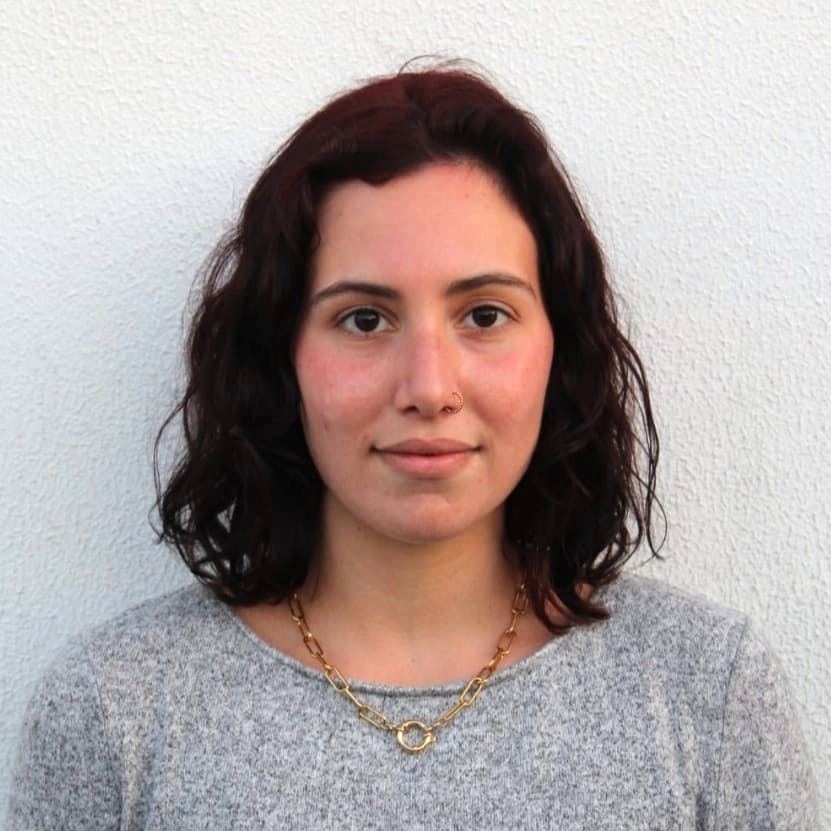 Sofia Braz graduated in Chemistry in 2021 and obtained an MSc degree in Advanced and Industrial Chemistry in 2023. During her years at the Coimbra Chemistry Centre, her research focused on metal complexes. In early 2026, she began her PhD studies focusing on quantum tunneling in nitrenes. This project has been carried out at the University of Coimbra in collaboration with Justus-Liebig University Giessen, Germany, where she previously attended Liebig College and received international training. Over the years, she has accumulated experience in industrial environments, in chemical quality control, and chemical engineering research.
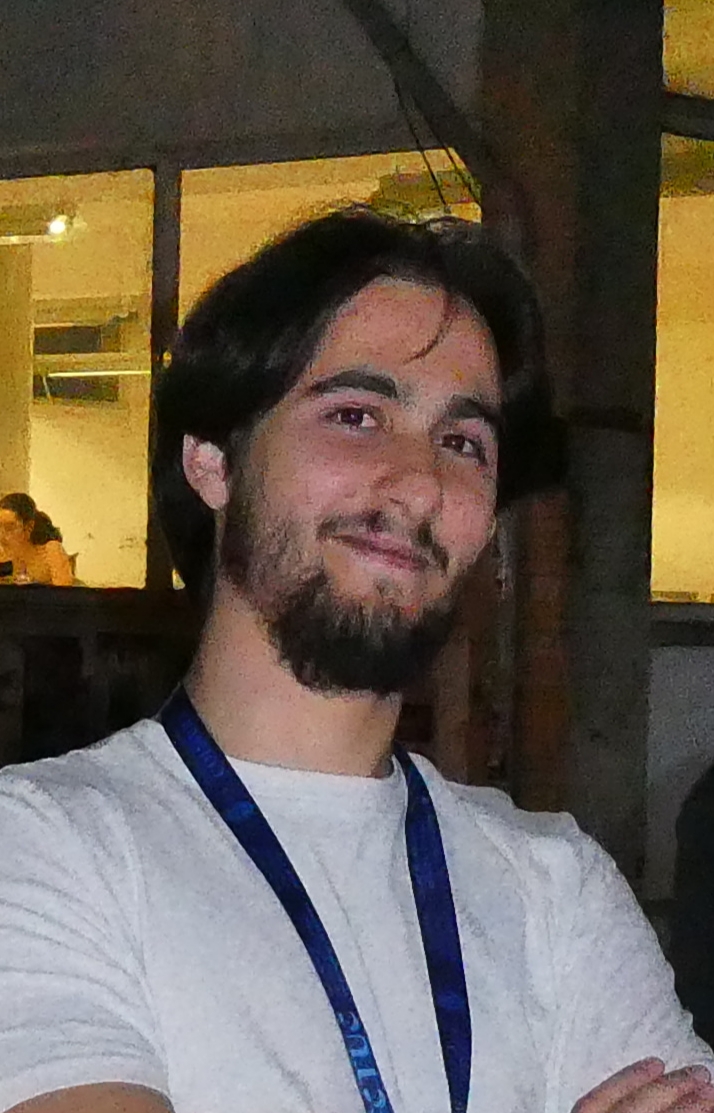 Rafael Ribeiro Neves, born in 2000 in Coimbra, completed his undergraduate studies in Chemistry in 2022 and obtained his Master’s degree in Chemistry in 2024 at the University of Coimbra. In 2026, he began his PhD in Chemistry, specializing in Spectroscopy, at the Centre for Chemistry of Coimbra (CQC), in collaboration with the Laboratory of Thermodynamics and Solid-State Chemistry (LTQES). His research focuses on the stabilization of open-shell and spin-persistent species in the crystalline solid state, as well as on the characterization of their properties.
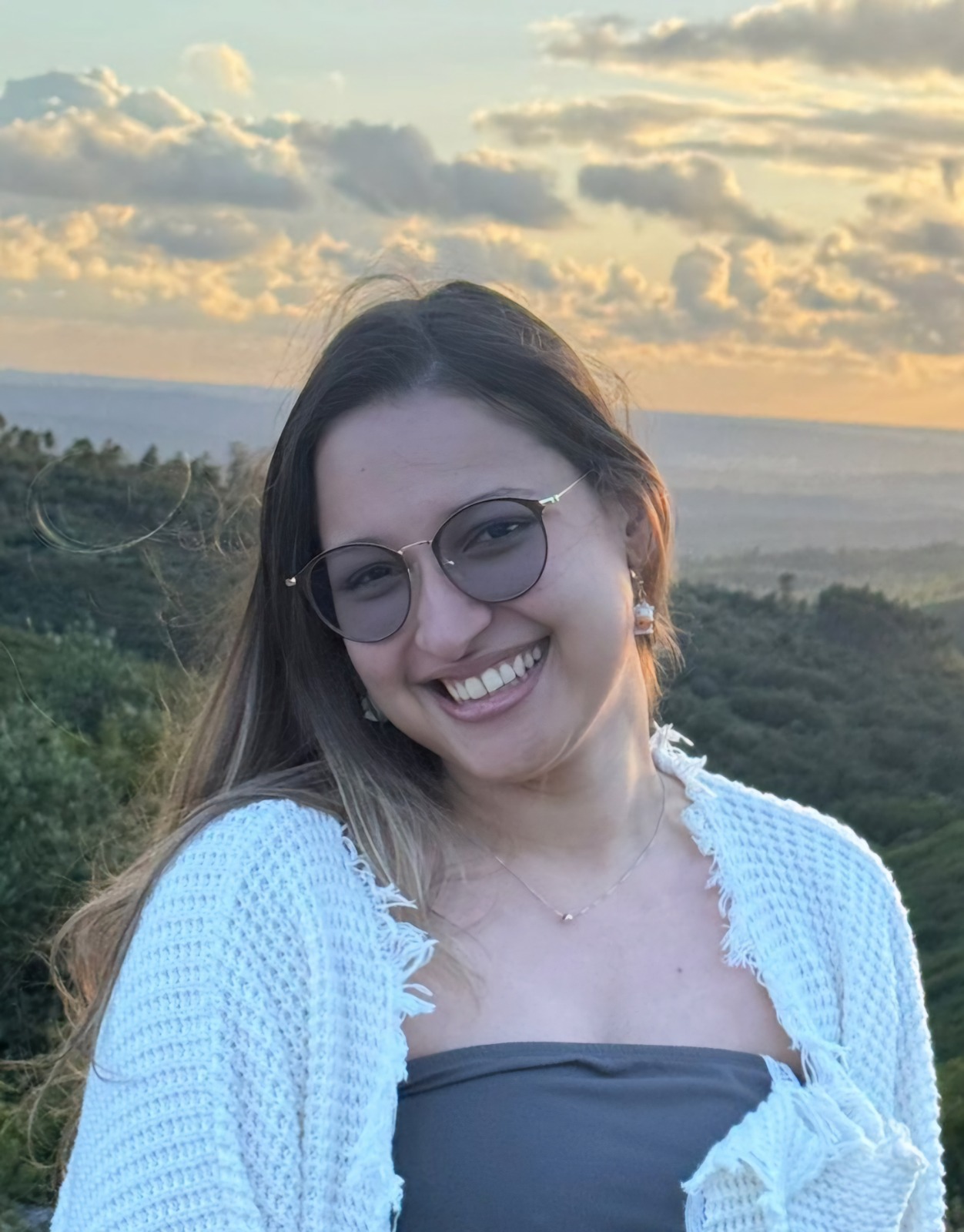 Maria Clara G. V. Campos graduated in Chemistry in Uberaba, Minas Gerais, Brazil, from the Federal University of Triângulo Mineiro (UFTM) in 2023. She has experience in quality control in industries, in chemical research, and as a school teacher. Currently, she is pursuing a master's degree in Advanced and Industrial Chemistry, specializing in Experimental and Theoretical Physical Chemistry at the University of Coimbra, and participates as a research fellow in a project focused on quantum tunneling in nitrene species.
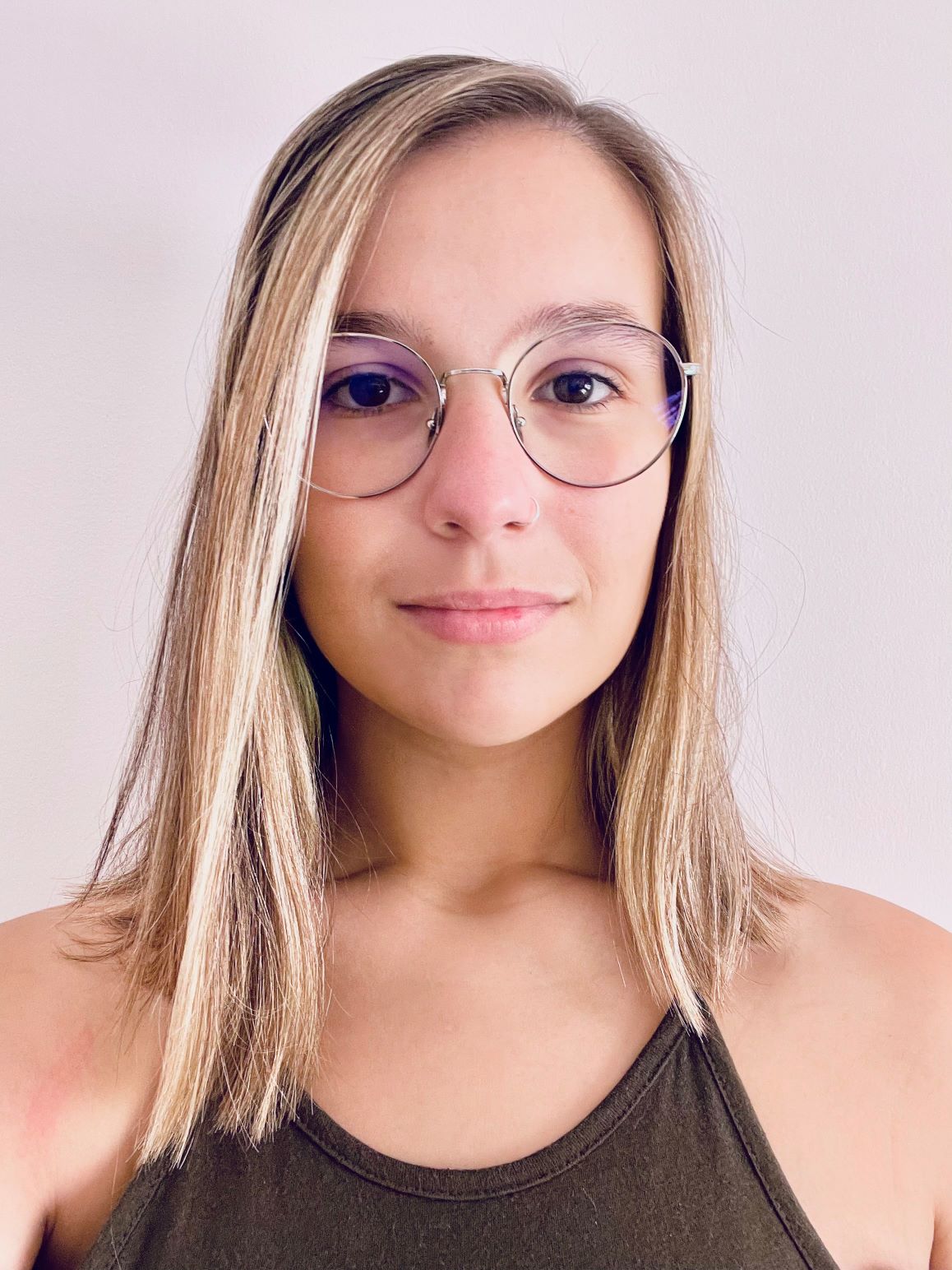 Francisca Pimentel was born in Vila Nova, Açores, in 2000. She graduated in Biotechnology from the Polytechnic Institute of Coimbra in 2022. She is now pursuing her Master's in Advanced and Industrial Chemistry at the University of Coimbra, and her research focuses on the isolation and structural identification of organic compounds extracted from Pterospartum tridentatum.
Collaborators and Visiting Researchers
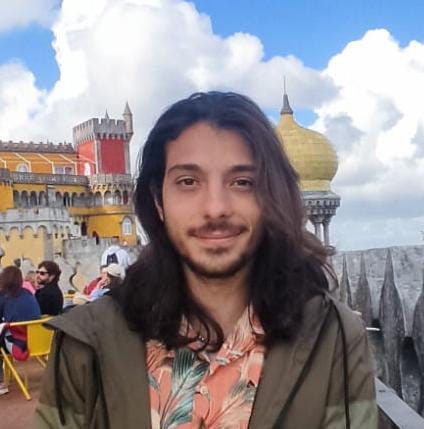 Leonardo Duarte graduated in Chemistry in 2017 and received his Ph.D. degree in 2023 at the University of Campinas (UNICAMP) with the thesis entitled "Chemistry of molecular vibrations", supervised by Emeritus Prof. Dr. Roy E. Bruns. In 2019, he worked at the Manchester Institute of Biotechnology (University of Manchester) as Academic Visitor under Prof. Paul Popelier. Currently, he holds a post-doctoral fellowship working at the Applied Computational Chemistry Group under the supervision of Prof. Dr. Ataualpa Braga at the São Paulo University (USP). His research focuses on studying chemical reactions induced by infrared radiation, developing models that describe the phenomenon of intramolecular redistribution of vibrational energy in close collaboration with Prof. Dr. Rui Fausto and Prof. Dr. Claudio Nunes at the University of Coimbra.
Past Members or Visitors:
 Tatiana Caneca: MSc student that investigated the generation of carbenes from 1,2,4-triazolium salts and of nitrene pyridine-N-oxide derivatives from azides under cryogenic matrix isolation conditions. until Mar 2026
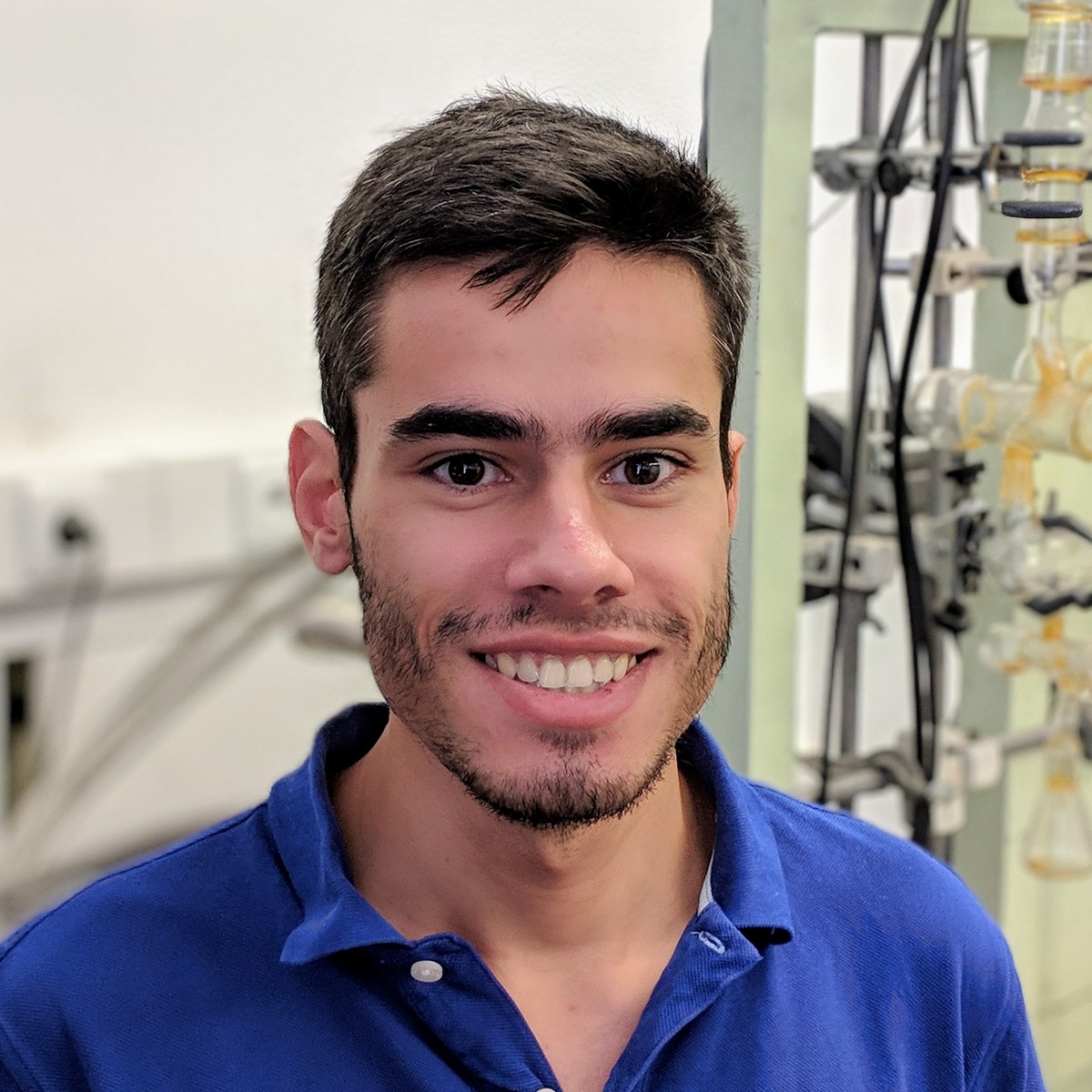 José Roque: PhD student that investigated quantum mechanical tunneling and its impact on chemical reactivity, aiming to provide new insights into chemical transformations. He was also involved in the development of instrumentation based on a liquid nitrogen cryostat for studies of reactions under cold-solution conditions. until Fev 2025
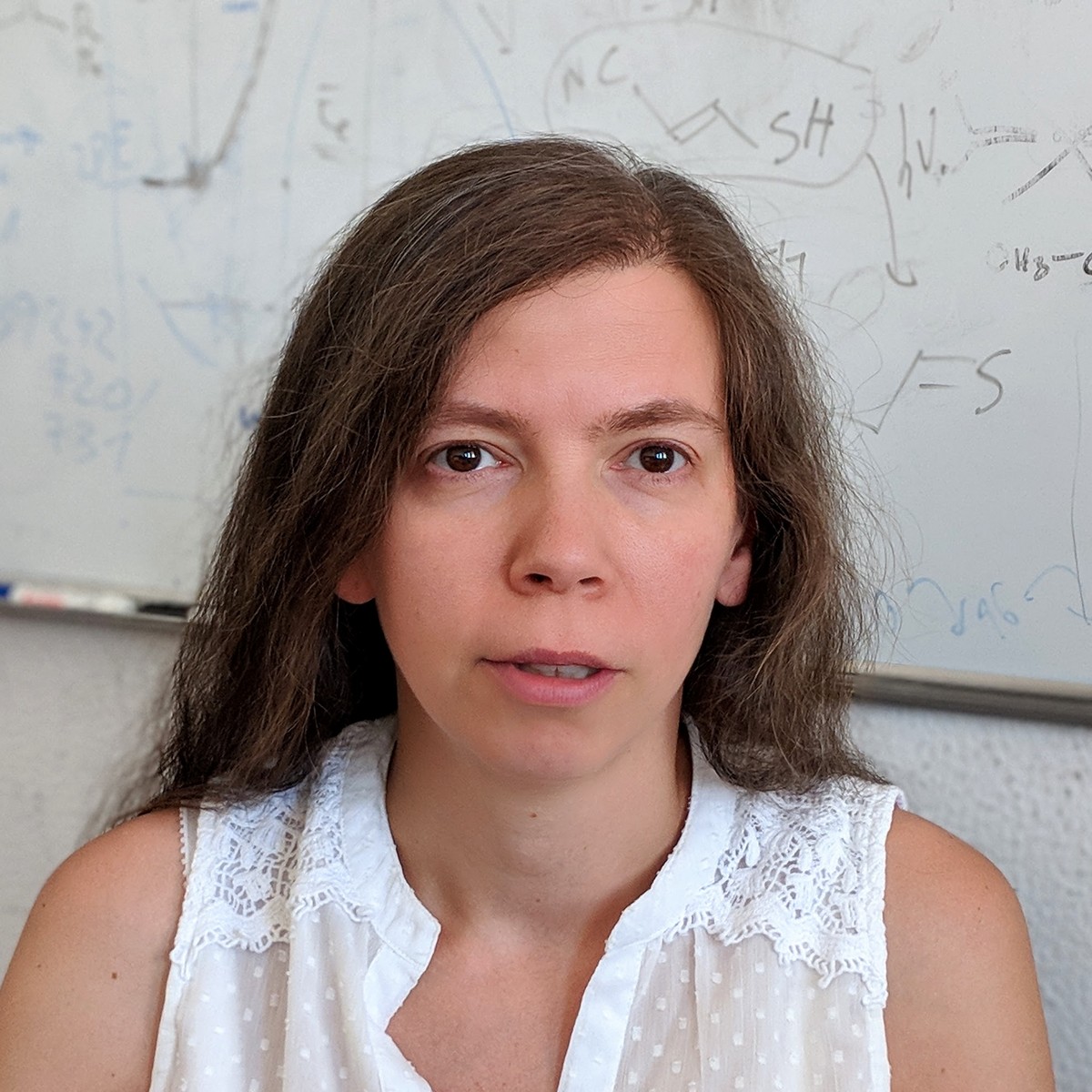 Susy Lopes: Post-doctoral researcher that worked on producing and characterizing new chemical species (from molecules possessing different conformational structures) and the study of their selective chemistry and interaction with other molecules and solid matrix. until 2024

Epole Ntungwe: Post-doctoral researcher that worked on the synthesis and reactivity of triazolium molecules, coupled with matrix isolation, FTIR spectroscopy, and computational calculation. 2023-2024
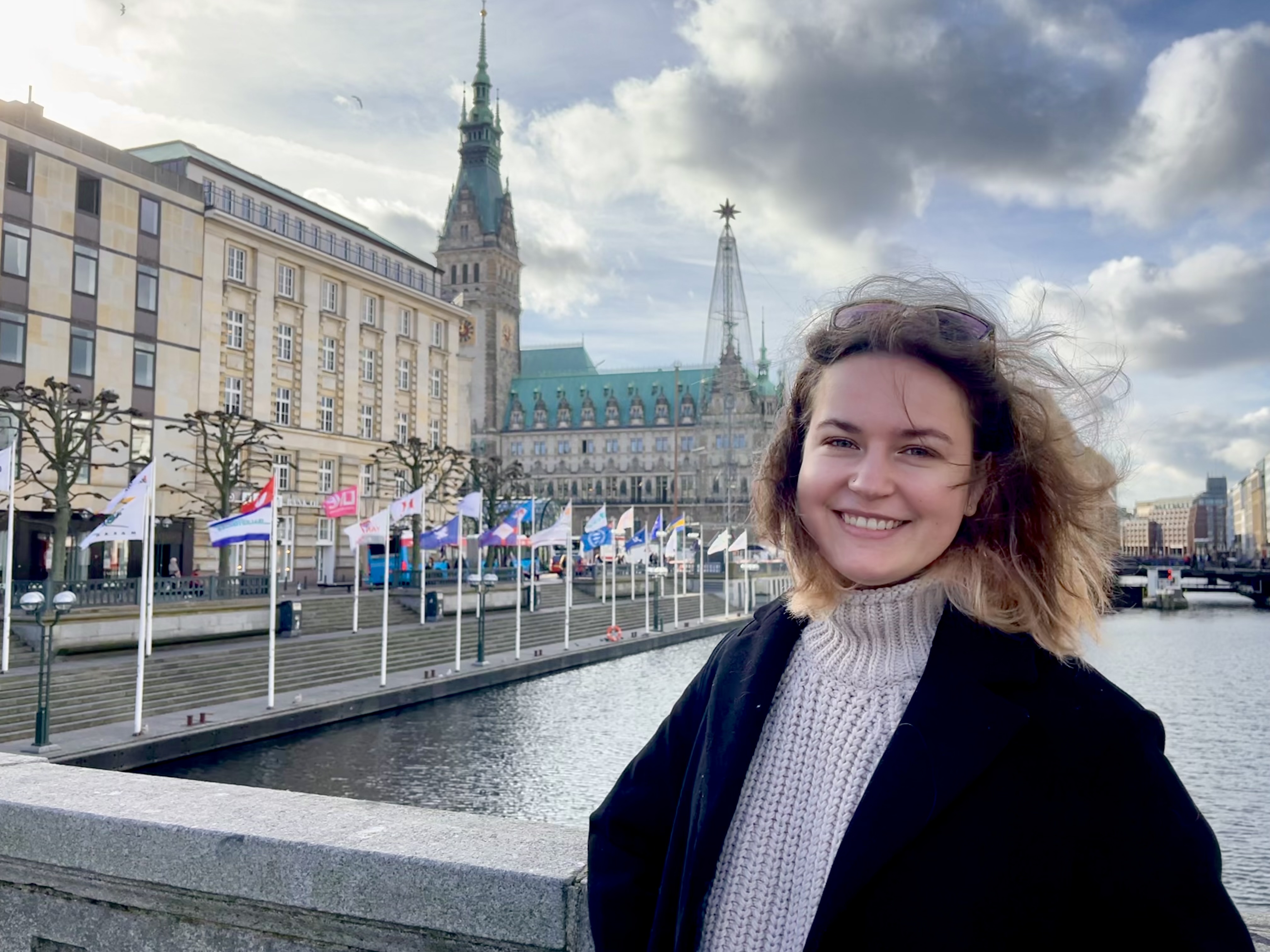 Kseniya Gorbatenko: Visiting PhD student that worked on quantum mechanical tunneling of benzazirines derivatives. 3 months in 2024